Patient care is the heart of every medical spa. Whether someone visits for laser treatments, injectables, or advanced skincare, they expect professionalism, safety, and visible results. Behind the scenes, however, delivering that level of care requires strong organization. Appointments must run on time, treatment histories must be accurate, and patient information must remain secure.
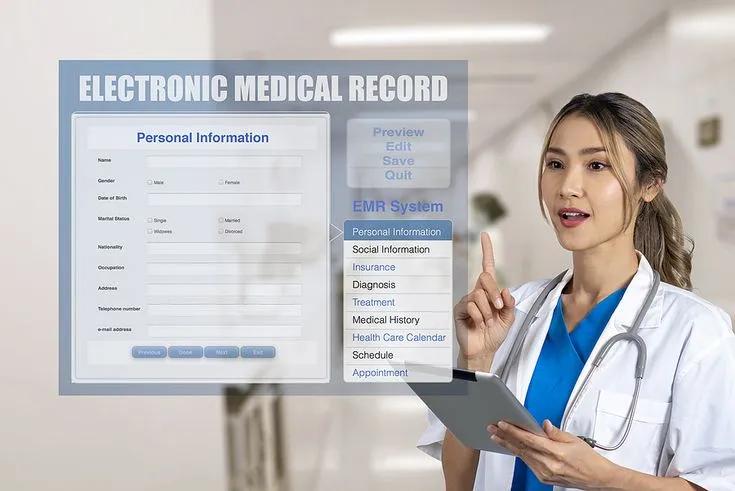
This is where a medical spa emr plays a powerful role. It is more than just digital record-keeping. When used correctly, it becomes a tool that improves communication, reduces mistakes, and helps practitioners provide consistent, personalized care. Let’s explore how the right system directly supports better outcomes for both patients and providers.
Keeping Patient Information Organized
Imagine trying to remember every detail about dozens of patients without writing anything down. It would be nearly impossible. A proper EMR works like a well-organized digital notebook that never loses a page.
Each patient’s profile can include:
Medical history
Allergies and sensitivities
Past treatments
Progress notes
Consent forms
Having everything in one place helps providers make safer decisions. For example, if a patient previously reacted to a specific product, that information is immediately visible. This reduces the risk of complications and ensures treatments are tailored to the individual.
Improving Accuracy in Treatments
In aesthetic care, small details matter. The exact dosage of an injectable or the specific laser setting used during a session should be documented clearly.
With a structured system, practitioners can quickly review past settings and replicate or adjust treatments accordingly. Think of it like following a recipe. If you know exactly what worked before, you can recreate successful results more confidently.
Accurate documentation also protects your clinic. If a patient has questions later, you can refer back to clear records instead of relying on memory.
Enhancing Communication With Patients
Clear communication builds trust. An EMR system helps by keeping conversations consistent and organized.
For example:
Automated reminders reduce missed appointments
Follow-up messages encourage proper aftercare
Treatment summaries help patients understand what was done
When patients feel informed, they feel cared for. A good system allows your team to focus more on meaningful interactions instead of paperwork.
Platforms like EmilyEMR are designed to streamline these processes, allowing staff to spend less time on manual tasks and more time supporting patients directly.
Supporting Personalized Care
No two patients are exactly alike. One may need gradual treatment adjustments, while another may respond quickly. A well-designed system tracks progress over time, making personalization easier.
By reviewing past notes and photos, providers can see how skin responded to earlier sessions. This helps guide future decisions. It’s similar to tracking fitness progress—you adjust your workout plan based on past results.
When treatments are customized, patients often experience better satisfaction and improved outcomes.
Strengthening Safety and Compliance
Patient data must remain confidential and secure. A strong EMR includes encrypted storage and controlled access, ensuring only authorized team members can view sensitive information.
Security isn’t just about protecting privacy—it’s about professionalism. Patients feel more comfortable knowing their personal details are handled responsibly.
In addition, digital records make it easier to maintain proper documentation standards. This reduces legal risks and keeps your clinic aligned with industry requirements.
Saving Time to Focus on Care
Administrative tasks can consume a large portion of a clinic’s day. Scheduling, billing, charting, and follow-ups all demand attention. When these processes are scattered across multiple tools, inefficiency creeps in.
An integrated system brings these functions together. Staff can quickly access patient details, process payments, and document treatments without switching between platforms.
Time saved on administration can be redirected toward patient care. Instead of rushing through consultations, providers can focus on listening, educating, and delivering high-quality service.
Helping Clinics Deliver Consistent Experiences
Consistency is key in building a reputable medical spa. Patients expect similar quality each time they visit.
When procedures are documented clearly, team members can maintain uniform standards. Even if different providers treat the same patient, everyone has access to the same information. This continuity creates a smoother experience.
Many clinic owners search for the best emr for aesthetic practice because they understand that structured systems support consistency, growth, and long-term success.
Encouraging Long-Term Patient Relationships
Patient retention is just as important as attracting new clients. An organized EMR system supports ongoing engagement by tracking appointment history and sending reminders for maintenance treatments.
For example, if a patient typically schedules skin rejuvenation every six months, the system can prompt follow-up outreach at the right time. This proactive approach shows attentiveness and keeps patients returning.
Long-term relationships are built on reliability. When patients know your clinic is organized and professional, trust naturally grows.
Conclusion
Better patient care does not happen by accident. It requires organization, accuracy, communication, and consistency. A thoughtfully implemented EMR system supports each of these areas, allowing medical spas to operate smoothly while prioritizing safety and personalization.
By centralizing records, improving documentation, automating reminders, and protecting sensitive data, a medical spa emr becomes an essential partner in delivering high-quality aesthetic care. Solutions like EmilyEMR help clinics simplify their workflows so providers can focus on what truly matters—helping patients feel confident and cared for.
When technology supports your team instead of slowing it down, better patient experiences naturally follow.